Common Causes of Damage to Concrete Flatwork
To repair damage to concrete flatwork caused by common issues like cracking or spalling, local service providers can assess the problem and perform effective repairs to restore durability and appearance.
Understanding the common causes of damage to concrete flatwork is essential for property owners looking to preserve the integrity and appearance of their surfaces. Factors such as freeze-thaw cycles, improper installation, heavy loads, and exposure to harsh weather conditions can all contribute to cracks, spalling, or uneven settling over time. Recognizing these issues early can help prevent more extensive and costly repairs down the line. Local contractors who specialize in concrete flatwork repair are equipped to assess the specific causes of damage and recommend effective solutions to restore and protect these surfaces.
Property owners in the area often explore this topic to ensure their concrete flatwork remains safe and functional, whether for driveways, patios, or walkways. Addressing the root causes of damage promptly can extend the lifespan of the concrete and maintain property value. Service providers in the community can evaluate the condition of existing flatwork, identify contributing factors, and implement repairs that help mitigate future problems. Keeping informed about common causes of damage to concrete flatwork empowers property owners to make informed decisions and work with experienced local experts for lasting results.
- Driveway expansion or replacement - homeowners noticing cracking or settling in their concrete driveways can rely on local contractors to assess damage caused by heavy loads or shifting soil.
- Patio or walkway repairs - when surface cracks or uneven areas develop, local service providers can evaluate whether weather-related freeze-thaw cycles or improper installation are responsible.
- Garage floor crack repair - signs of cracking or spalling in garage slabs often result from moisture infiltration or concrete shrinkage, with local pros providing effective fixes.
- Concrete slab leveling - uneven or sunken concrete flatwork due to soil movement or poor compaction can be addressed by local contractors skilled in slab stabilization techniques.
- Foundation or footing repairs - damage to concrete flatwork around foundations caused by settlement or water erosion can be remedied by experienced local service providers.
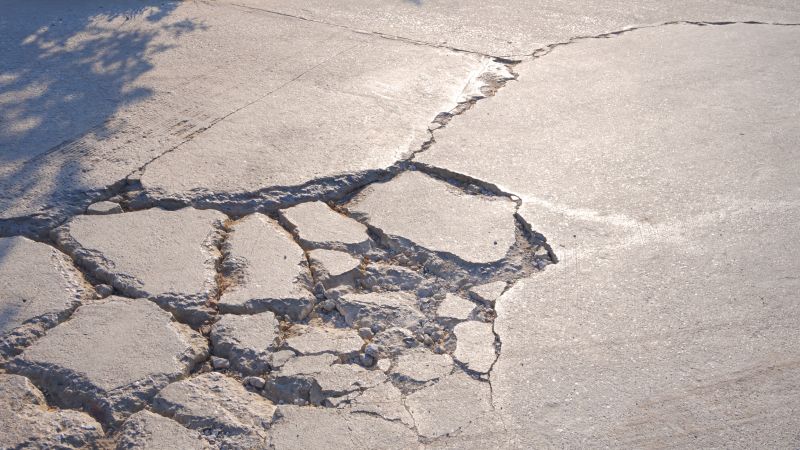
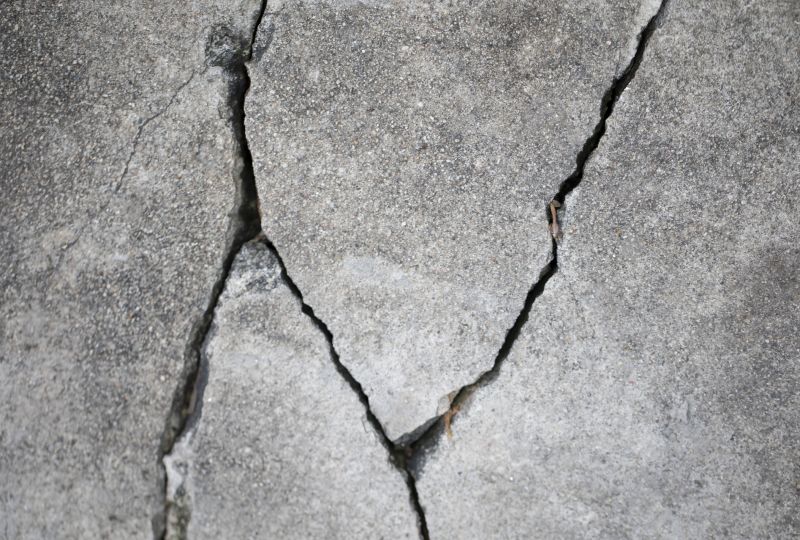
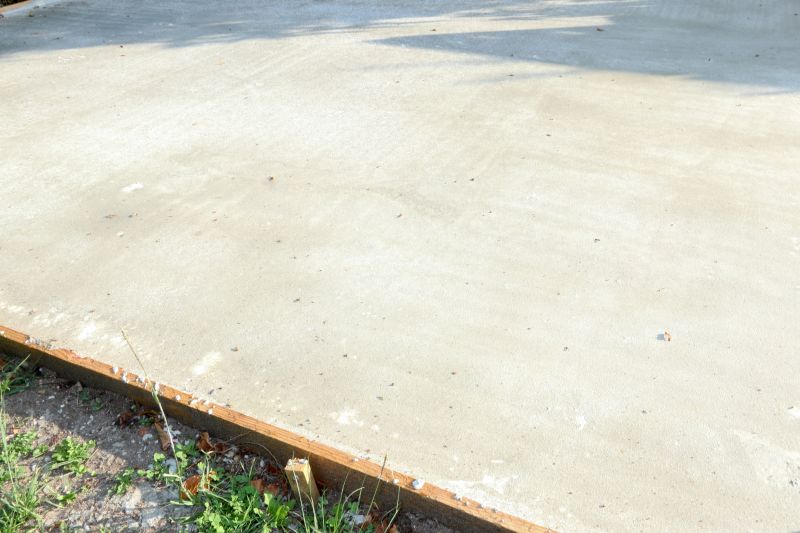
Understanding the common causes of damage to concrete flatwork is essential for homeowners who want to maintain the durability and appearance of their outdoor surfaces. Concrete flatwork, such as driveways, patios, walkways, and flooring in garages or basements, is susceptible to various issues over time. These problems often originate from environmental factors, improper installation, or ongoing use. Recognizing these causes can help homeowners identify early signs of trouble and seek appropriate repair services from experienced local contractors who specialize in concrete flatwork repair.
One of the primary reasons for damage to concrete flatwork is exposure to moisture. Water can seep into tiny cracks or porous areas of the concrete, leading to freeze-thaw cycles that cause the surface to crack, spall, or become uneven. This is especially common in regions with cold winters. Additionally, improper drainage around the property can cause water to pool or infiltrate beneath the concrete, accelerating deterioration. Heavy traffic or frequent impacts can also contribute to surface chipping or cracking, particularly if the concrete was not designed or installed to withstand such stresses. Local service providers can assess these issues and recommend repair or reinforcement options to restore the flatwork’s integrity.
Another frequent cause of damage involves chemical exposure, which can degrade concrete over time. De-icing salts used during winter months can penetrate the surface and cause corrosion of embedded reinforcement or surface scaling. Similarly, certain cleaning agents or spills of chemicals like oil or acids can weaken the surface and lead to staining or pitting. Poor installation practices, such as inadequate curing, improper mixing, or insufficient reinforcement, can also predispose concrete flatwork to early failure. These issues often become evident through cracking, surface spalling, or uneven settling. Local concrete repair specialists are equipped to diagnose these problems and perform necessary repairs to extend the lifespan of the flatwork.
Finally, natural settling or shifting of the ground beneath the concrete can cause uneven surfaces, cracks, or even structural failure. Soil movement may result from poor compaction during installation, changes in moisture content, or nearby excavation activities. Over time, this movement can compromise the flatwork’s stability and appearance. Recognizing signs of settlement early allows homeowners to seek professional assessment and repairs that can stabilize the surface and prevent further damage. Local contractors experienced in concrete flatwork repair can evaluate the underlying causes and implement solutions such as leveling, underpinning, or reinforcement to restore a safe, functional surface.
Driveway installation projects - these involve preparing and pouring concrete surfaces, requiring skills similar to repairing damage caused by cracking or spalling in flatwork.
Patio and walkway construction - planning and laying concrete for outdoor surfaces shares techniques with addressing surface deterioration and settling issues in flatwork.
Foundation repair services - addressing foundation issues often involves concrete work that overlaps with repairing damage caused by soil movement and improper support.
Parking lot resurfacing - resurfacing involves surface preparation and concrete application that are relevant to fixing surface damage and surface scaling in flatwork.
Concrete leveling and raising - these projects focus on correcting uneven surfaces, similar to addressing settlement and heaving problems in flatwork.
Garage floor coatings - preparing and applying coatings requires knowledge of concrete condition, which relates to repairing surface cracks and surface damage.
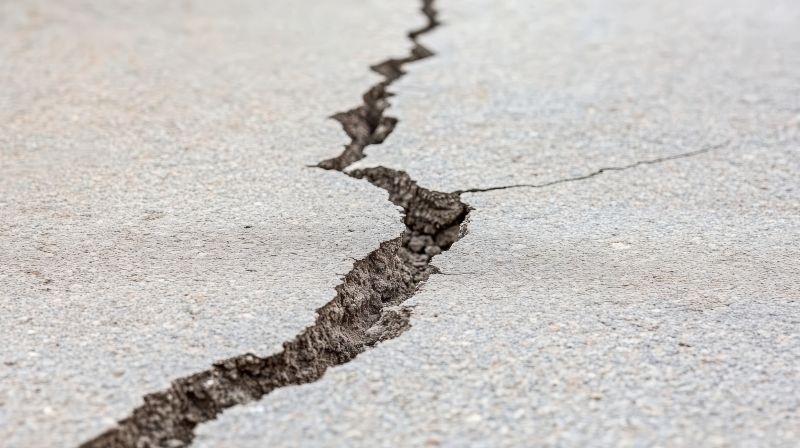
When comparing local contractors for concrete flatwork repair, it is important to consider their experience with similar projects. Contractors who have handled repairs related to common causes of damage to concrete flatwork, such as cracking, spalling, or settlement, are more likely to understand the specific challenges involved. Reviewing their track record with comparable work can provide insight into their ability to diagnose issues accurately and implement effective solutions. Reputable service providers often have a portfolio of past projects or references that demonstrate their familiarity with common damage scenarios, helping homeowners feel more confident in their choice.
Clear written expectations are essential when evaluating potential service providers. Homeowners should seek detailed estimates that outline the scope of work, materials to be used, and the repair process. This transparency helps prevent misunderstandings and ensures that both parties are aligned on what the repair entails. Reputable local contractors typically communicate their approach and what the repair will address, especially regarding damage caused by common issues like freeze-thaw cycles or improper drainage. Having this clarity from the outset makes it easier to compare options and select a provider who offers comprehensive, straightforward explanations.
Good communication and reputable references are key factors in selecting a reliable contractor. Service providers who are responsive to questions and willing to explain their recommendations demonstrate professionalism and a commitment to customer service. Additionally, checking references or reviews from previous clients can reveal how well the contractor manages projects involving common causes of damage to concrete flatwork. These insights can help homeowners determine whether the contractor consistently delivers quality work and maintains clear, open communication throughout the repair process. A contractor with strong references and good communication practices can contribute to a smoother experience and a more durable repair outcome.
Property owners often search for common causes of damage to concrete flatwork when they are planning practical projects around their homes and businesses. Local pros provide Damage to Concrete Flatwork Repair services for everyday jobs and straightforward project options.
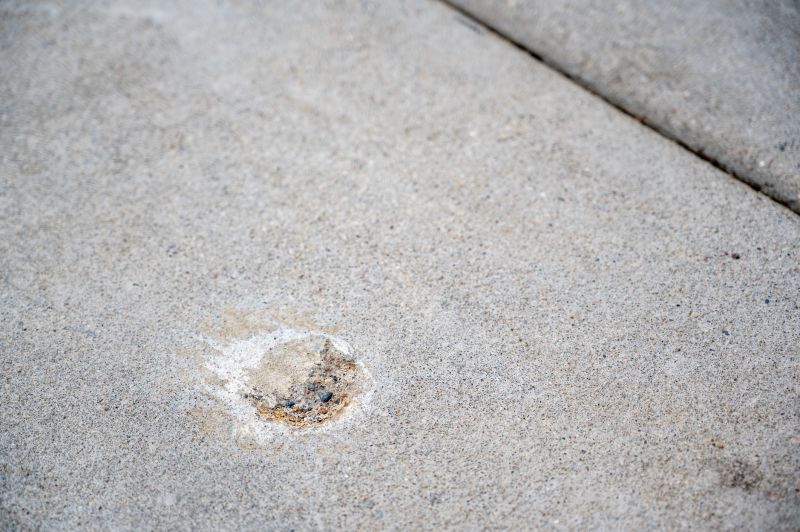
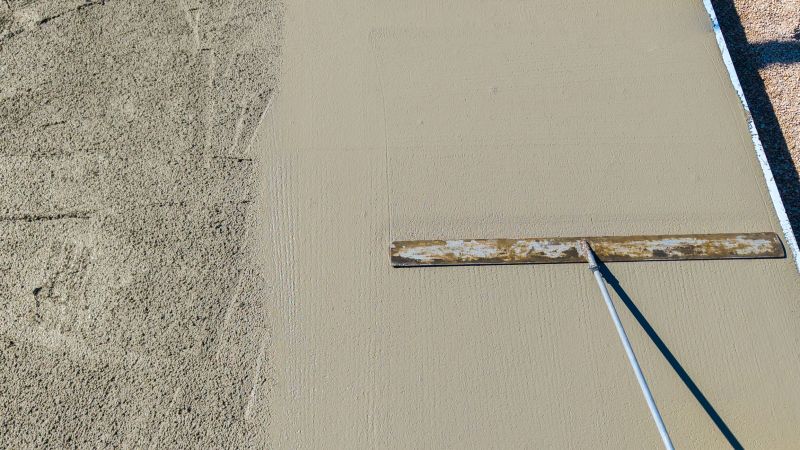
Concrete flatwork can face damage from a variety of everyday project situations that property owners might encounter. Heavy equipment, frequent foot traffic, or even outdoor furniture can cause surface cracks or chipping over time. Additionally, exposure to the elements-such as rain, snow, or temperature fluctuations-can lead to surface deterioration or uneven settling. When these issues arise, property owners often look for local contractors experienced in concrete repair to restore the flatwork’s integrity and appearance.
Understanding the common causes of damage to concrete flatwork can help property owners prevent future problems and identify when repairs are necessary. Improper mixing or finishing during installation can result in weak spots that crack easily, while poor drainage around the flatwork can cause water to seep underneath, leading to shifting or sinking. Local service providers who specialize in concrete repair can assess the damage, identify underlying causes, and recommend appropriate solutions to maintain the durability of the flatwork.
What are common causes of damage to concrete flatwork? Common causes include freeze-thaw cycles, improper installation, heavy loads, exposure to moisture, and chemical spills, all of which can weaken the concrete over time.
How does improper installation lead to damage in concrete flatwork? Poorly mixed or poured concrete, inadequate curing, and lack of proper reinforcement can create vulnerabilities that result in cracking, spalling, or uneven surfaces.
Can exposure to moisture cause damage to concrete flatwork? Yes, repeated exposure to water or moisture can lead to freeze-thaw damage, erosion, and the development of cracks or surface deterioration.
What role do heavy loads play in damaging concrete flatwork? Excessive weight from vehicles, equipment, or storage can cause stress and lead to cracking, sinking, or surface failure if the concrete isn’t designed to support such loads.
How do chemical spills affect concrete flatwork? Chemicals like de-icing salts, oils, or acids can weaken the concrete surface, cause corrosion of reinforcement, and accelerate deterioration if not properly cleaned and sealed.
Heavy equipment use - Operating heavy machinery on concrete flatwork can cause cracks and surface damage, so property owners should work with local contractors to ensure proper weight distribution.
Poor drainage - Standing water can weaken concrete over time; consulting local service providers can help improve grading and install proper drainage systems.
Exposure to harsh weather - Freeze-thaw cycles and extreme temperatures can lead to surface deterioration, making it important to seek expert repairs from local pros to restore damaged flatwork.
Lack of timely repairs - Ignoring small cracks or surface issues allows damage to worsen; local contractors can provide necessary repairs to prevent further deterioration.
If you are thinking about common causes of damage to concrete flatwork for a property, this guide is meant to help you understand this topic, the typical project types, and how different options might fit your plans.
When you are ready, you can use the quote form on this page to share a few details about your project. From there, local pros can review the basics and follow up with options that match what you have in mind.